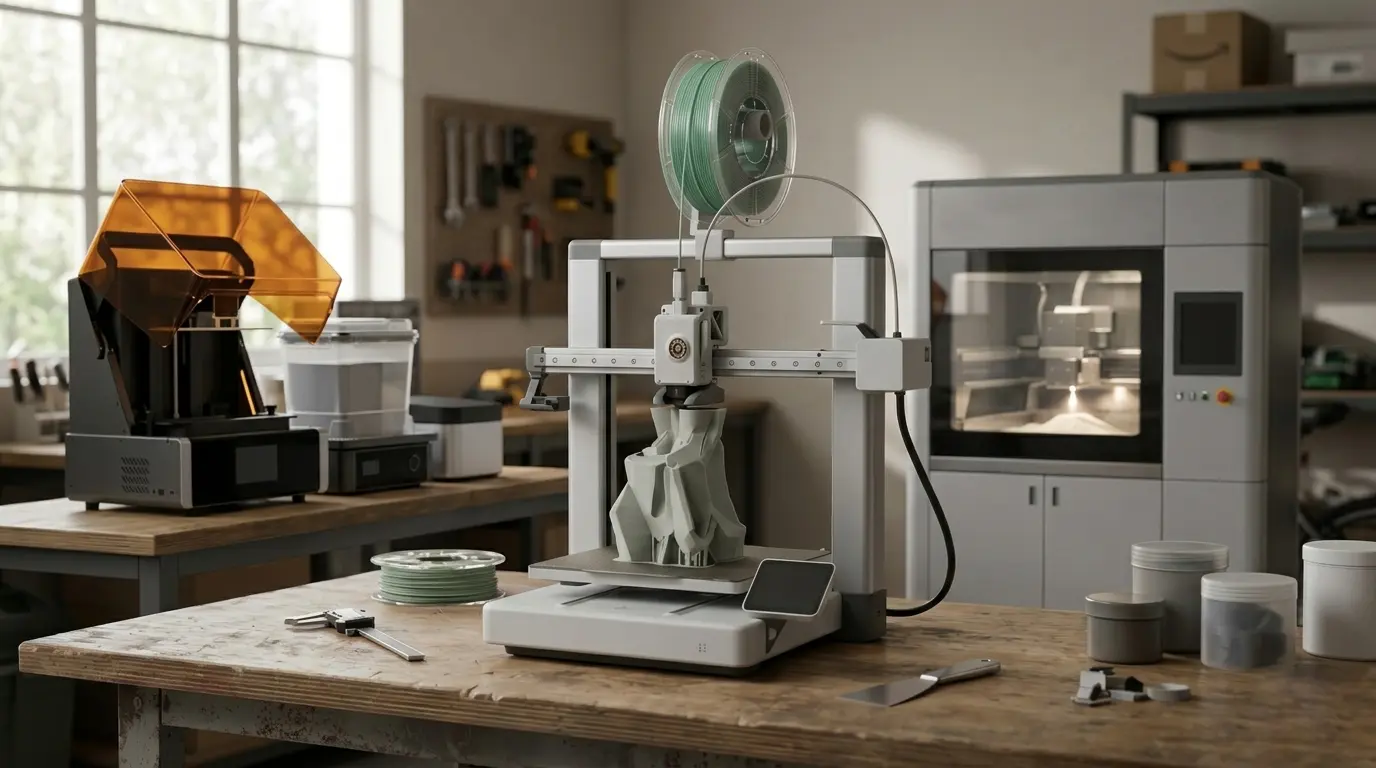
The 2026 3D Printing Era: When Creativity is No Longer Exclusively for Engineers!
Do you remember back in the 2010s, when mentioning a

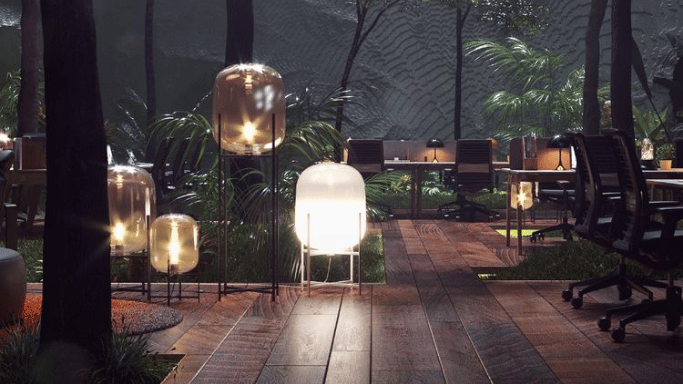
Have you ever envisioned a house that isn’t built from rigid, square bricks, but is instead “drawn” out of thin air with soft, sweeping curves? Amidst the bustling rhythm of cold glass-and-steel office high-rises, a new generation of architects is emerging. They don’t carry trowels, and they don’t mix mortar. Instead, they control massive robotic arms, utilizing 3D printing technology to construct living spaces that are deeply artistic, sustainable, and genuinely vibe-filled.
Welcome to the era where homes are printed directly from your dreams.
For the longest time, we have been accustomed to dry CAD blueprints and the noisy clatter of jackhammers on construction sites. But the art of building is turning over a far more romantic new chapter. The concept of “printing” a house is no longer a sci-fi movie script.
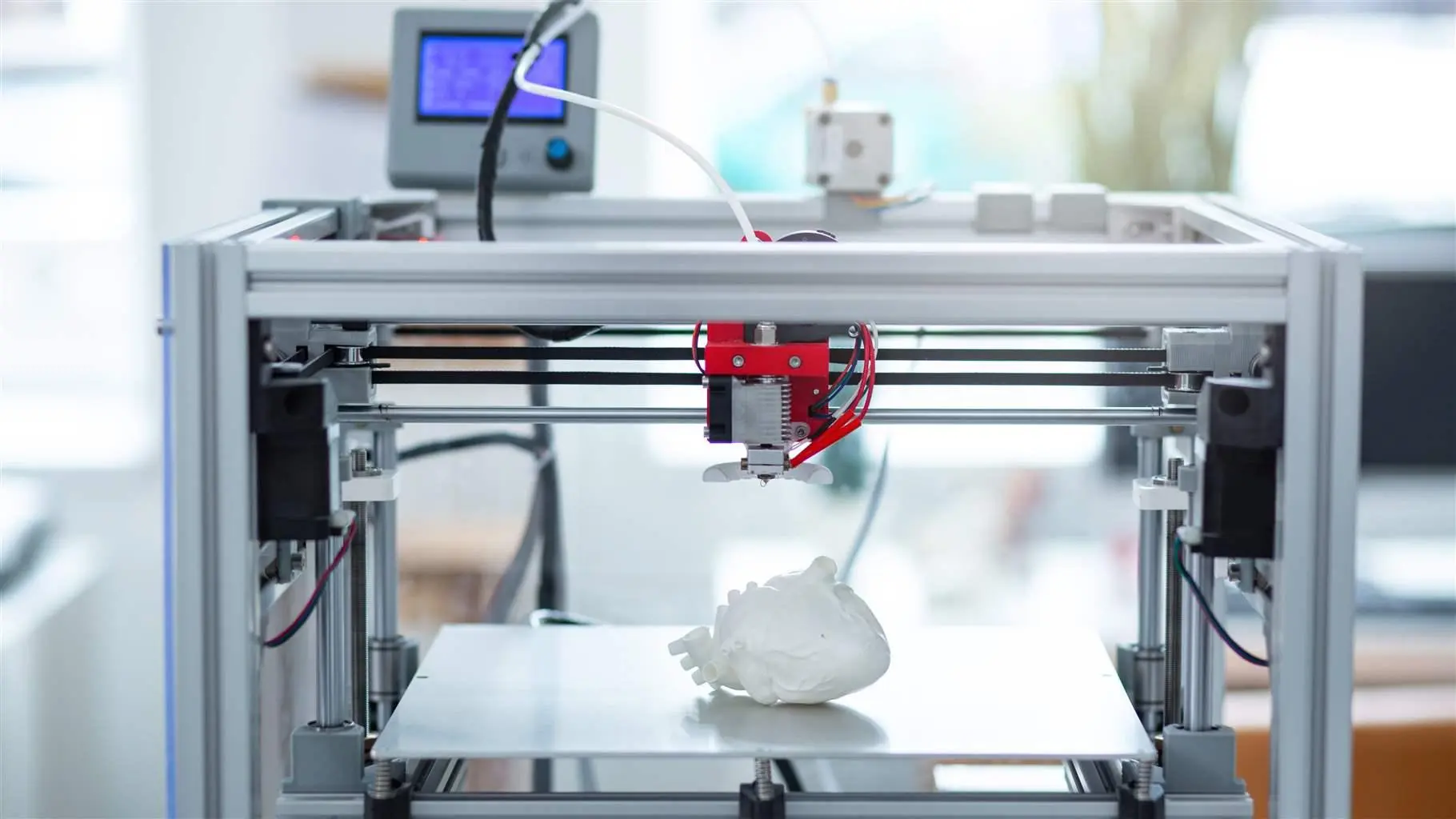
Unlike small desktop 3D printers that create plastic models, 3D printing systems used in architecture are colossal machines, typically consisting of massive XYZ gantry cranes or highly flexible multi-axis robotic arms. Instead of using filament or ink, the “ink” here is a specially formulated concrete mix, composite cement, or even locally sourced recycled materials.
The entire process unfolds like a live contemporary art performance. Guided by a digital blueprint, the machine’s nozzle extrudes material layer by layer, stacking them with meticulous, absolute precision. There are no restrictive molds, and no boring, perfectly flat vertical walls. The robotic arm simply dances, “weaving” walls with a unique layered texture—an unmistakable aesthetic signature of 3D-printed architecture.
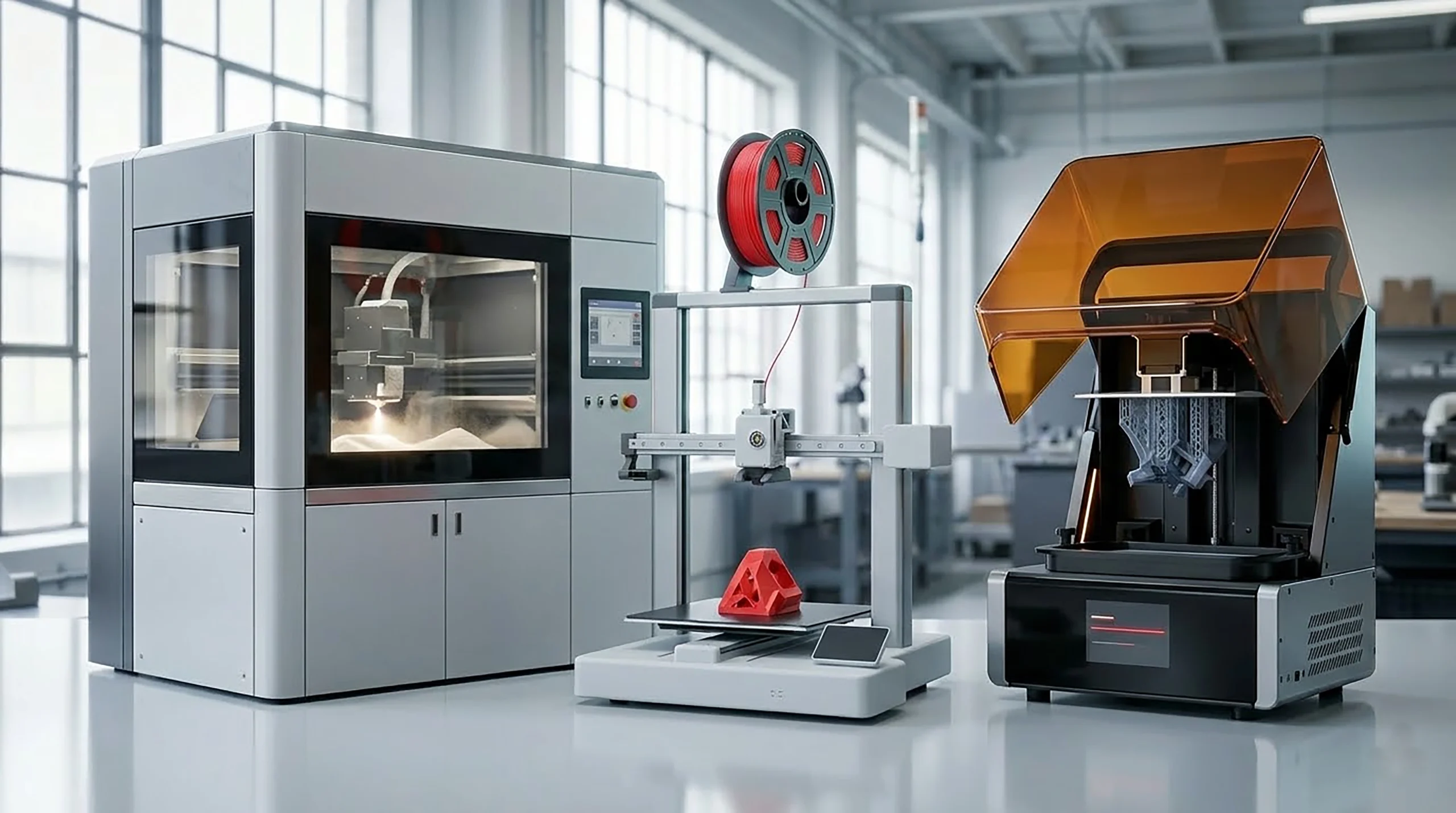
For Gen Z and professionals navigating the modern office landscape, a living space is more than just a place to crash after 8 hours of chasing deadlines. It must be a “curated space”—a personalized environment that loudly broadcasts one’s true identity. And this is exactly where 3D printing unleashes its artistic prowess.
Traditional construction methods are inherently bottlenecked by wooden formwork and fundamental geometric constraints. Creating curved walls, sweeping arches, or complex parametric structures normally demands an exorbitant amount of time and money. But with a 3D printer, a sweeping curve or a rigid straight line requires the exact same amount of effort (and cost).
Machines are now allowing humanity to break free from every design mold. Homes shaped like seashells nestled in nature, or soft, curved office cabins built to spark inspiration for sales and creative pros are all entirely possible. The raw, textured, layered surface of printed mortar brings a distinctive “wabi-sabi” feel—celebrating the beauty of imperfection and authenticity, an aesthetic trend currently leading the interior world.
Art would be nothing more than a superficial luxury if it turned its back on reality. Fortunately, these “robotic architects” happen to be exceptional environmental activists.
Owning a deeply artistic home historically came with an astronomical price tag. However, 3D printing technology is completely rewriting the rules. By automating the vast majority of the structural framing and rough-in phase, the time needed to top off a house can be slashed from several months to just a few days. Lowering labor requirements and compressing construction timelines translates directly to maximizing cost efficiency. This opens the door for young professionals and office workers on their path toward financial independence to finally own beautifully artistic living spaces.
Traditional construction is notorious for being one of the largest waste-generating industries on the planet. A 3D printer, conversely, only dispenses the exact amount of material it needs, virtually dropping the material waste ratio to zero. On top of that, researchers are continuously testing eco-friendly “inks”—blending concrete with hemp fibers, fly ash, or recycled plastics. A printed home doesn’t just embrace the soul of its inhabitant; it gently nurtures the rhythm of nature.
The intersection of technology and art has never been a static boundary. At JAM Studio, we firmly believe that 3D printing technology is never just about machines—it is a medium to materialize the wildest ideas.
Whether it is the millimeter-level precision found in our Case Cards crafted to protect personal collections, or the sheer scale of an industrial robotic arm painstakingly extruding layers of concrete to raise a sanctuary—the core philosophy remains entirely unchanged: empowering the creator with absolute freedom. When design language is no longer choked by traditional physical limitations, every single product—whether it fits snugly in the palm of your hand or stands proudly amidst nature—carries its own distinct artistic story.
The future of architecture no longer lies flat on sheets of paper. It is rising up, layer by layer, proudly and filled with poetic grace. And those “architects of the future” are, none other than, the flawless fusion of human imagination and the enduring precision of modern technology.
Do you remember back in the 2010s, when mentioning a
“The Failed Prints” Exhibition: When Plastic “Instant Noodles” Become Unique