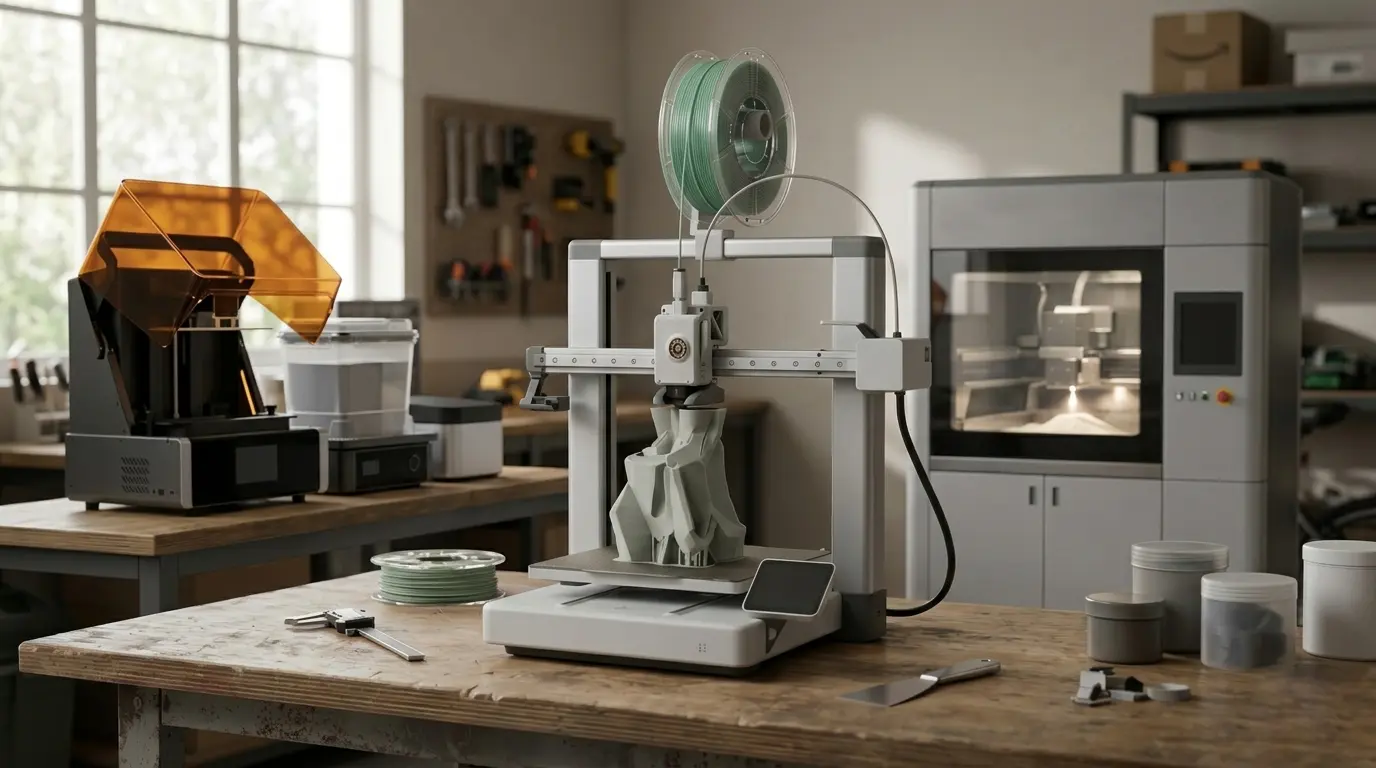
The 2026 3D Printing Era: When Creativity is No Longer Exclusively for Engineers!
Do you remember back in the 2010s, when mentioning a

Have you ever dreamed of owning an indoor jungle but worried about a busy schedule leaving no time for care? The combination of a love for nature and modern technology is the ultimate key to helping you maintain a lush, green living space without spending too much effort.
In this article, we will explore how to self-design and own smart self-watering pots, alongside artistic planters created specifically for succulents and cacti.
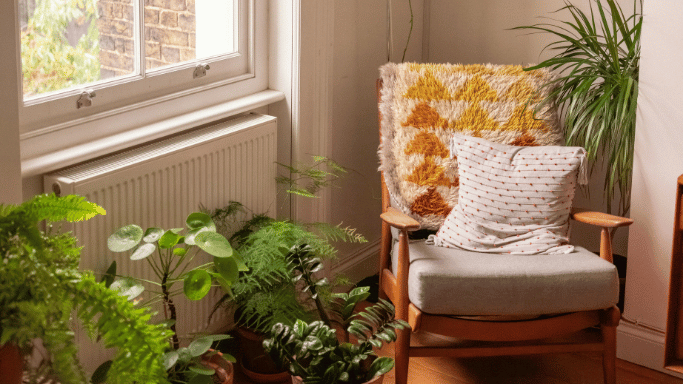
Building an indoor jungle is not simply about placing a few planters in the corner of a room. It is the art of arranging your living space to optimize mental well-being and purify the air.
According to research from the NASA Clean Air Study, certain indoor houseplants have the ability to remove toxins like benzene and formaldehyde exceptionally well. Utilizing supporting tools like smart planters will make your miniature ecosystem much more sustainable.
Self-watering planters are a lifesaver for those who are forgetful or frequently travel for work. This mechanism helps plants maintain their required moisture consistently through a capillary action system.
These planters typically feature a double-layer design: the upper compartment holds the soil and plant, while the lower reservoir stores water. A wick line or a specialized channel draws water upward slowly, allowing the plant’s roots to absorb moisture according to their natural needs rather than getting waterlogged from overwatering.
Even though succulents endure drought well, uneven watering can shock the plant or cause it to shrivel. A properly designed self-watering pot controls moisture levels stably, ensuring the leaves remain plump and vibrant.
If you want to own truly unique, one-of-a-kind planters, 3D printing technology is the perfect solution. You can freely create any shape, ranging from modern minimalism to abstract art styles.
Material Selection: You should use PLA (Polylactic Acid) filament because it is an eco-friendly bioplastic that is safe for plants.
Geometric Design: You can utilize software like Tinkercad or Blender to create geometric patterns, adding a strong aesthetic touch to your little garden.
Optimizing Drainage: When printing artistic planters, always ensure the design incorporates sufficient drainage holes at the bottom or integrates a sleek, built-in catchment tray.
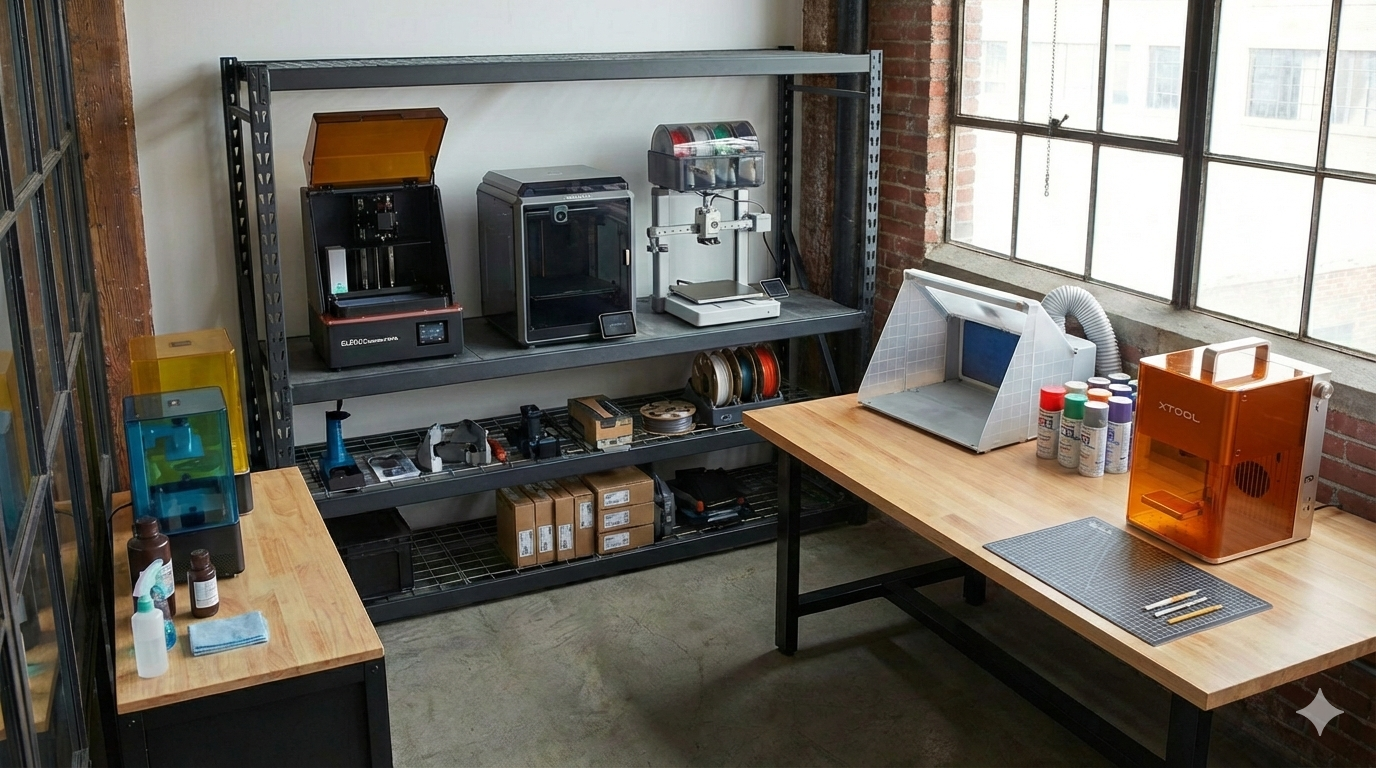 How to Arrange Succulent Planters to Create Space Accents
Succulents are the number one choice for 3D-printed artistic planters thanks to their compact sizes and diverse shapes.
Layering Heights: Arrange planters of different sizes and heights on a wooden shelf to create visual depth.
Color Coordination: 3D-printed planters in pastel colors will perfectly highlight the natural green or purple shades of your succulents.
Light is Core: According to guidelines from the Royal Horticultural Society (RHS), most succulents require at least 4 to 6 hours of indirect sunlight daily to retain their brilliant coloration.
While utilizing modern additive manufacturing allows you to craft incredibly complex, artistic shapes for your greenery, managing the internal micro-environment of your 3D-printed pots requires a few critical technical adjustments. Standard filament printing processes inherently leave microscopic gaps between each individual layer, which can cause moisture to slowly seep through and ruin your expensive wooden tables or delicate office documents. To completely eliminate this risk, always apply a thin layer of non-toxic, waterproof silicone sealant or eco-friendly liquid rubber coating to the interior walls of your custom container before adding any substrate. This fast preventive measure creates an impenetrable barrier that locks moisture exactly where it belongs, preserving both your beautiful furniture and the structural integrity of your unique design.
The secret to preventing root rot—the number one cause of indoor plant mortality—lies entirely within your soil engineering and structural drainage choices. Because customized artistic containers often feature intricate, enclosed shapes, you must completely abandon heavy, generic garden soils in favor of a highly porous, specialized succulent soil mix. Aggressively blending your organic substrate with high-quality drainage elements like coarse pumice, expanded perlite, or volcanic rock ensures maximum aeration and allows excess water to pass through effortlessly, preventing harmful mold from taking over the root zone. Additionally, if you are utilizing an advanced self-watering system, make it an absolute habit to thoroughly flush out the internal water reservoir once every two weeks. This simple maintenance routine completely eliminates stagnant water, preventing the growth of unwanted bacteria and keeping your personal desk ecosystem completely fresh, healthy, and spotless.
Transforming your home into an indoor jungle does not just provide a beautiful living space; it acts as an effective therapy to soothe the mind. With the help of self-watering systems and artistic 3D-printed designs, plant care has now become more creative and effortless than ever.
Do you remember back in the 2010s, when mentioning a
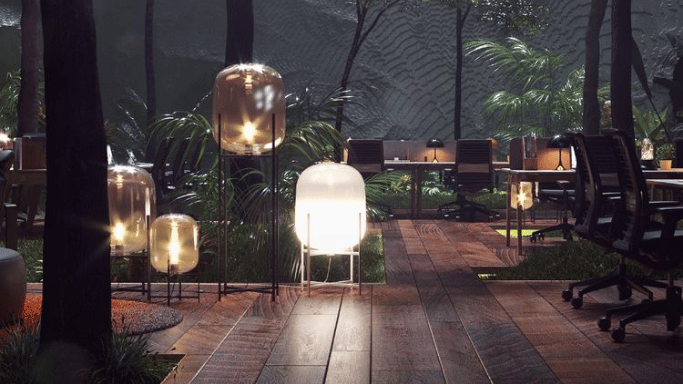
Architects of the Future: Infusing Living Spaces with Artistry Through